Today was the second session for Tech. Our teacher for the whole term 1 is, Miss Ferguson. In Miss. Ferguson's class, we are learning about Algorithms and Coding. Algorithm means a set of Instructions. Miss Ferguson asked us to go on to a site called Mblock. This site is a coding site where you can connect and control miniature robots. With this site, we learnt how to make the mbot flash lights and make sounds. Here is presentation of what we did.
Friday, 21 February 2020

Tuesday, 18 February 2020
Algorithm & Robotics | Tech
Today we had our first ever tech session. We were working with Mrs Ferguson, who taught us about algorithms and robotics. She was our first rotation of the year. We used a google drawing to write down examples of algorithms. Algorithms are not just numbers, they are also instructions.
Collaborative explanation | Plastic Pollution
How do you feel knowing that each year, over 1 million sea animals lose their lives from plastic waste? This is caused by the laziness of people who can't be bothered to throw their rubbish in the bin. When you litter, your rubbish leads to landfills, drains, and possibly to the ocean.
Everyday approximately 8 million pieces of trash lead to the ocean. As the waste leads to the ocean it can attract the sea animals by mistaking it for food. The sea creatures can die by being suffocated from the plastic and can also be caught in the plastic. The plastic makes them have digestive problems and can cause them to die.
According to National Geographic, by 2050 there will be 12 billion metric tonnes of plastic landfills. Right now there might be 5.25 trillion macro and microplastic in our ocean right now. Chlorinated plastic can release harmful chemicals into the surrounding soil, which can then leak into groundwater or other surrounding water sources. This can cause a range of potentially harmful effects on the species that drink the water.
Marine animals' lives are at risk due to the plastic pollution in the sea, if we don’t take action now who knows what will happen next.
L.I to create a collaborative explanation.
In groups of five we created a collaborative explanation. This explanation was about Plastic pollution. What we did to get information was watch a video from love your coast. This video showed the love your coast community picking up rubbish.
Friday, 14 February 2020
Positive Relationship | Kiwi Can
LI: To include and engage others by being sensitive to their feelings.
Today was the first Kiwi Can for this year. Our Teachers Mrs Grace and Mrs Mac taught us about three words, Courtesy, Empathy, Common Sense and Consideration. The theme for this term is Positive Relationship. Our energiser for this week was Switch places. This game worked by, one of the teachers saying something like this(example: I like chocolate), we had to switch places with a person that liked that thing that they liked(including you). For the activity we were playing role play. In this game we had to do a role play of the word Empathy. Empathy means having respect and understanding peoples feelings.
Today was the first Kiwi Can for this year. Our Teachers Mrs Grace and Mrs Mac taught us about three words, Courtesy, Empathy, Common Sense and Consideration. The theme for this term is Positive Relationship. Our energiser for this week was Switch places. This game worked by, one of the teachers saying something like this(example: I like chocolate), we had to switch places with a person that liked that thing that they liked(including you). For the activity we were playing role play. In this game we had to do a role play of the word Empathy. Empathy means having respect and understanding peoples feelings.
Thursday, 13 February 2020
The Treaty of Waitangi Summary
L.I to learn about Literacy Weaving
L.I to summaries and understand the Treaty of Waitangi.
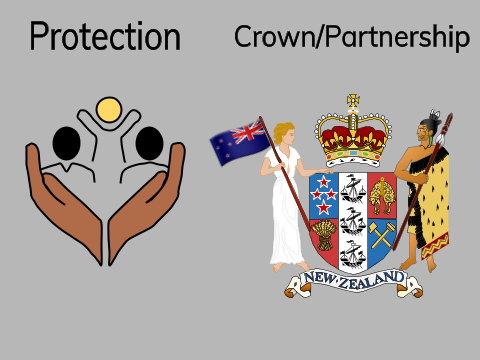
L.I to summaries and understand the Treaty of Waitangi.
In this activity we were asked to get into groups with anybody we would like. In each group we were asked to create a short summary of the Treaty of Waitangi. We also had read a story about The Treaty of Waitangi and we also had to find words that we found important and add it into that summary. We also had to pick two words from the story that we found mostly important and find and try to draw an image of those words.
Te Tiriti o Waitangi was signed on the 6th of February 1840. It is a treaty between Aotearoa and the Crown. The treaty meant that Aotearoa would be under the sovereignty of the crown. It was signed by over 500 Maori chiefs who wanted to live in a peaceful nation. The Crown started to betray the trust of the Maori people which caused violence and conflict between the two cultures. The New Zealand land wars that began 5 years after the treaty was signed, which resulted in many Maori losing their land. In 1872 after the Native Land Court was set up, the land was still being taken. Something that many generations have tried to put right.
Juel, Alayah, Sulia, Fau
Kiwi Sport Reflection | Cricket
L.I to learn how to play Cricket.
For kiwisport, term 1; LS2 is learning how to play cricket. Brian from HPPC(Howick, Pakuranga Cricket Club) was our teacher for cricket.
The first thing we did was Bowling. What we had to do is get into a group of three or four. After we got into groups , in front of us there was four cones and wickets in front of each team. The goal as a group was to, bowl and try to aim for for those cones. I we had hit all of the four cones, we had to try to aim at the three sticks on the wicket. We had done this about 4 times.
The next thing that we did was Batting. For this activity we also had to get into group, on person will stay and bat the ball and the others on the team had to try get the ball back to them, each person had to do this. I did this two times.
I liked doing Cricket for Kiwi Sport because, I got to learn about different things while playing and just learned the basics of the game. The hardest thing for me was probably Bowling.

Tuesday, 11 February 2020
Ordering Numbers/ Place Value | Maths
Today in Maths we worked in our thinking teams to find the answer to two maths maths questions. In this photos you will see my group, The Wizardly- Addition, working out the number value of our group name. To do this we used addition stratigies and our place value knowledge.
In the second activity we worked as a group to put the population numbers order. To do this we used our place value knowledge.


Subscribe to:
Posts (Atom)